The land programme
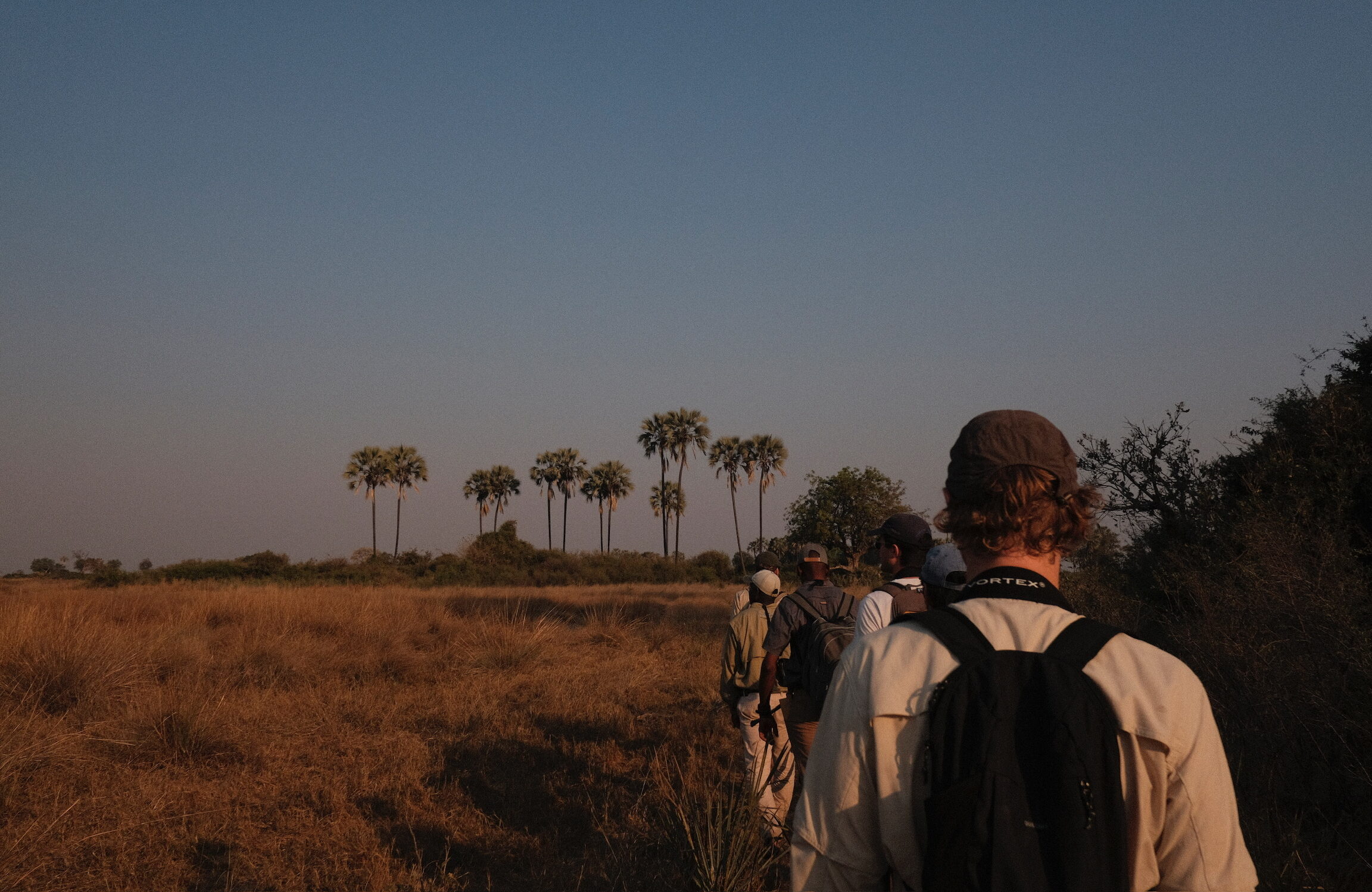
Wilderness, on foot.
Three trails through Botswana and South Africa — carry what you need, leave no trace, move at the pace of the land. The first leaves 15 August.
The trailsOf all the ways through a wilderness, walking is the oldest — and still the truest.
In it, not looking at it
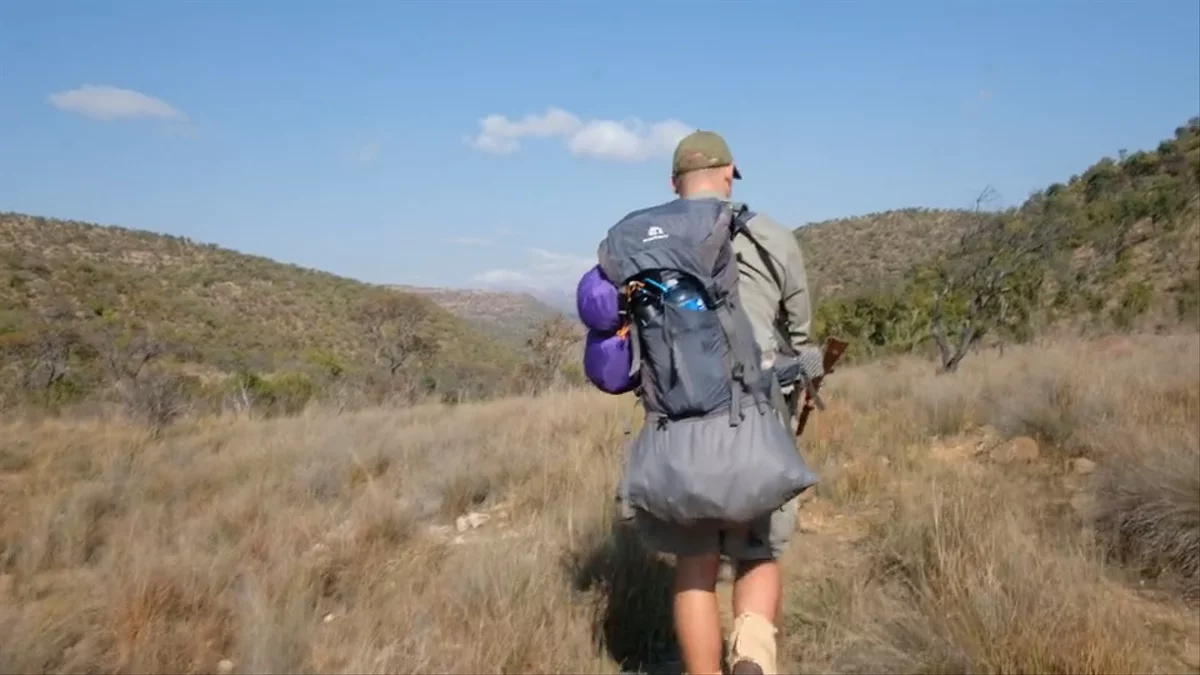
A vehicle keeps the wild at viewing distance. On foot there is no frame around anything: you notice the tracks crossing yours, the birds going quiet, the wind shifting — and a sighting becomes an encounter, on the animal’s terms and yours.
Willem, after a game drive: ‘I guess there is something to be said for vehicle-based safaris after all… Then the joy wears off and the abundance starts to feel like overkill. I find myself longing for the wilderness again.’
The pace of the land
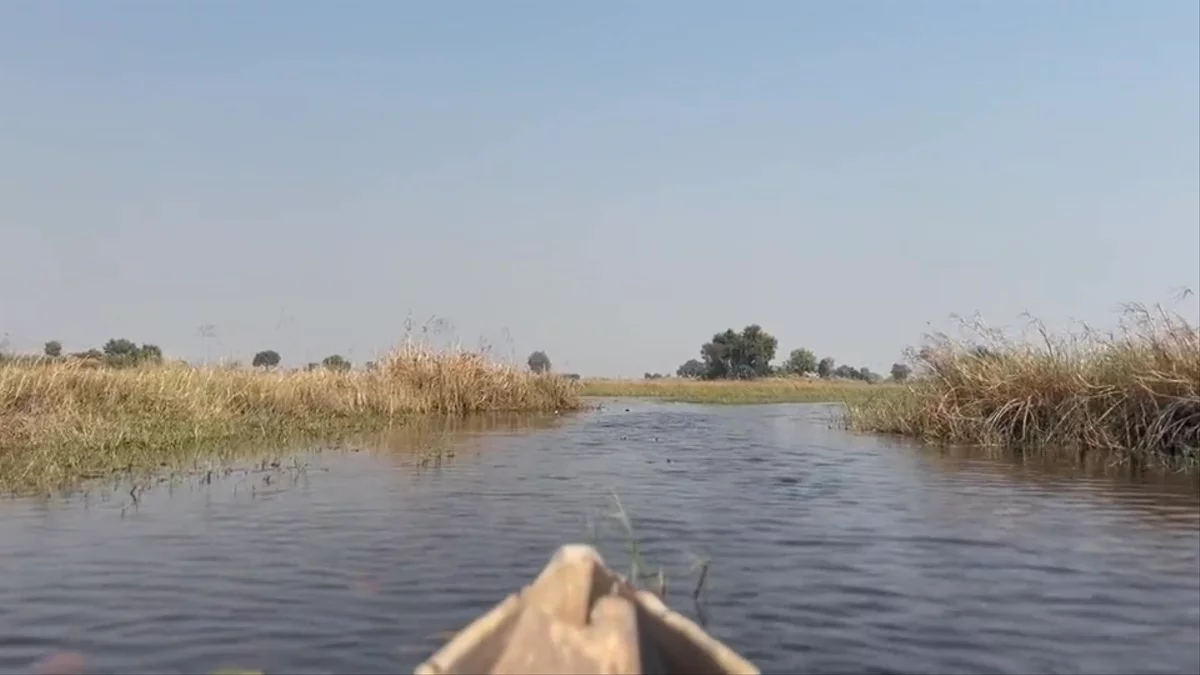
Walking sets the only honest speed: slow enough to read the ground, quiet enough to hear the bush answer. Days are measured in river crossings and shade trees; nights, out on trail, in stars and watch fires.
‘With every scratch I earn my place in this landscape.’
Willem · from the Makuleke trail log
The trails · 2026 / 27
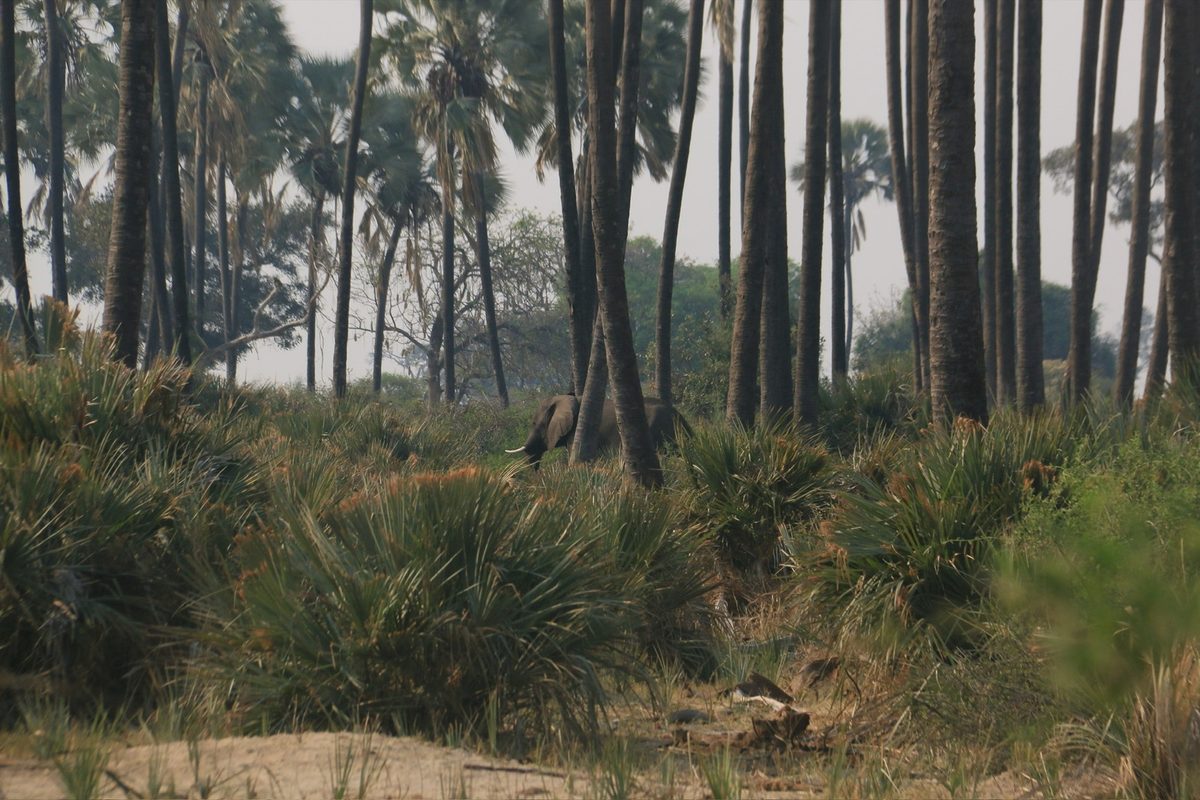
Okavango walking safari
24 – 31 Aug 2026 · 7 nights · from €4,900
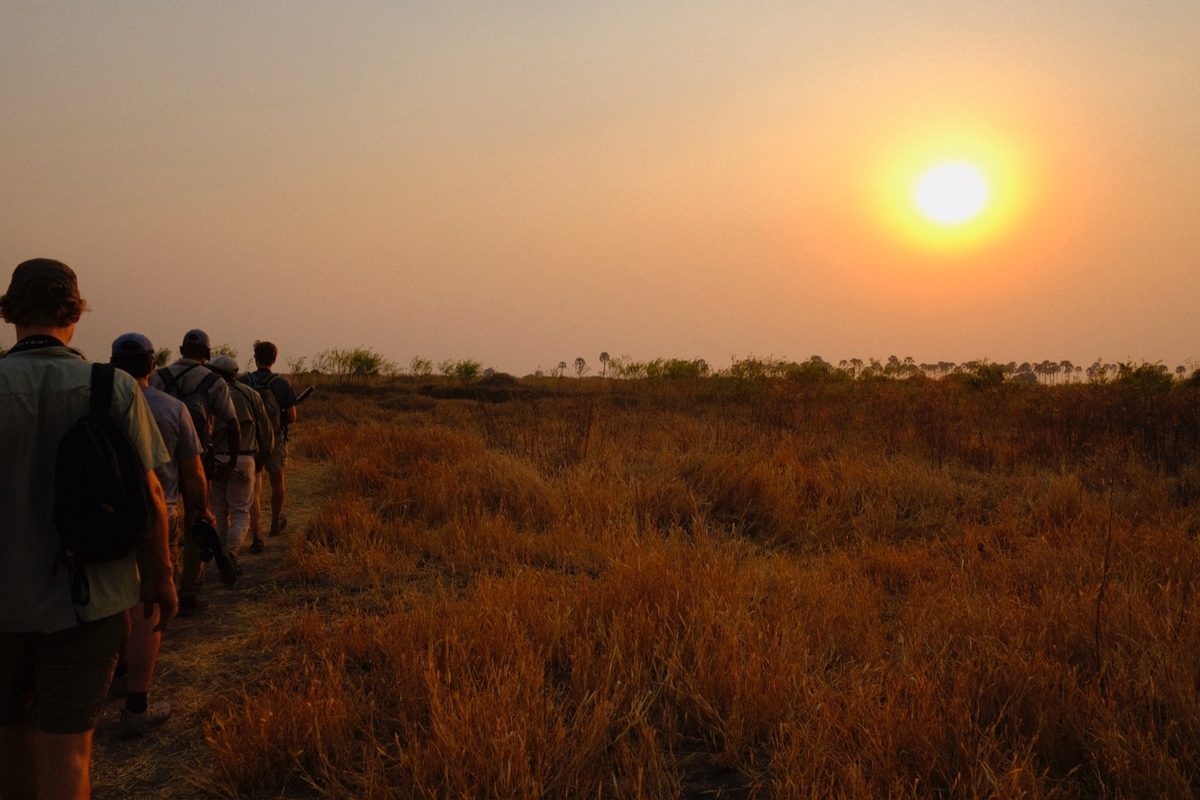
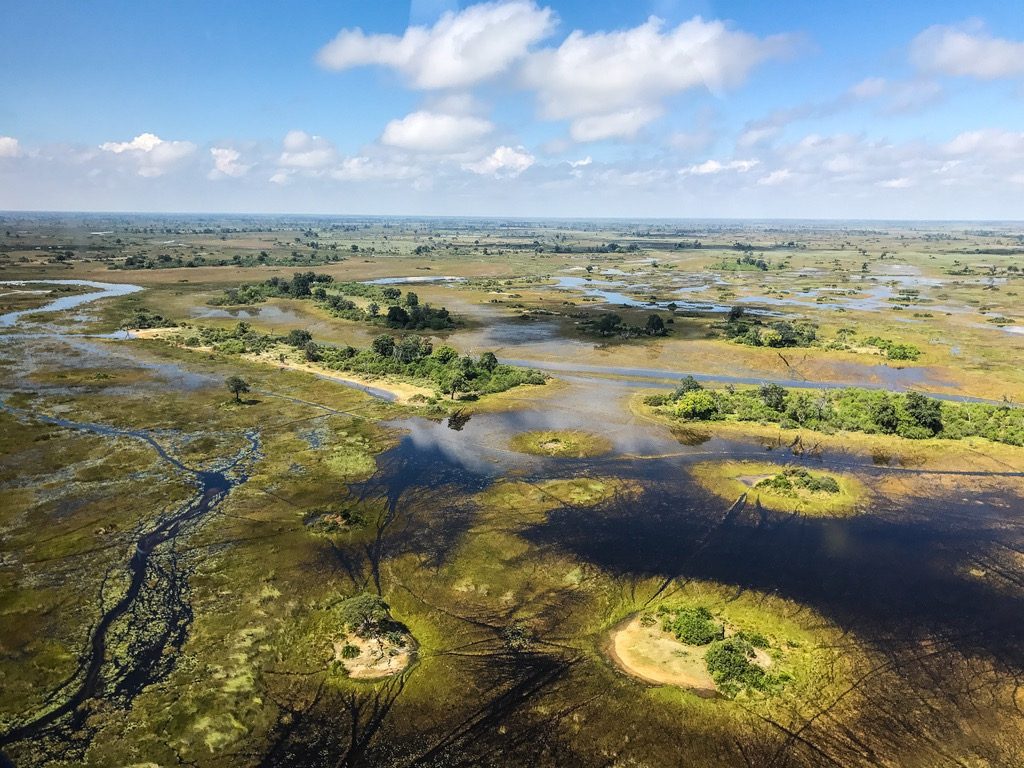
Peak flood on Chief's Island — on foot and by mokoro, with nights in en-suite tents and a sleepout under the stars.
Makuleke wilderness trail
15 – 22 Aug 2026 · 7 nights · from €2,500
The wildest corner of the Kruger, held between the Limpopo and the Luvuvhu — five nights on primitive trail.
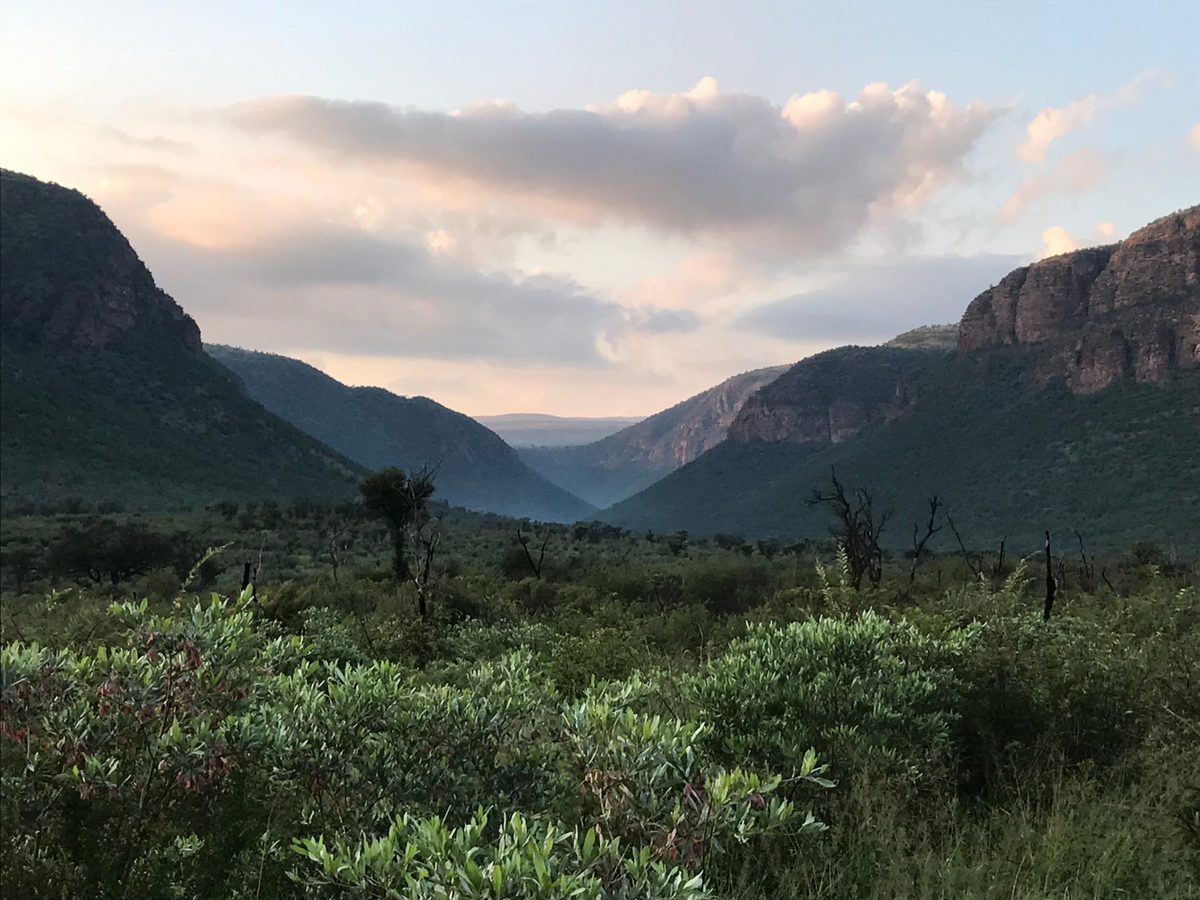
Marataba wilderness trail
30 Jun – 5 Jul 2027 · 5 nights · from €1,500
The Waterberg, three hours from Johannesburg — two nights in camp, three in the open, without tents.
Trail life
Carried, not catered
You carry your own pack, gather wood, cook over the fire and take your turn on night watch. Food and equipment are divided over the group; what the trail needs, the trail carries. It is simple, shared work — and it is exactly what turns a group of strangers into a trail crew.
Two guides, always
Every group walks with two highly experienced trails guides who have spent their lives in these landscapes — reading the bush long before you see what they’ve seen. A comprehensive first-aid kit is carried at all times, with reliable radio contact for emergencies. You’ll learn tracks and birds and trees, how to move quietly, and the night sky above your sleeping bag.
‘That night is cold and I don’t sleep much, but I am intensely happy.’Willem · from the Makuleke trail log
The guides
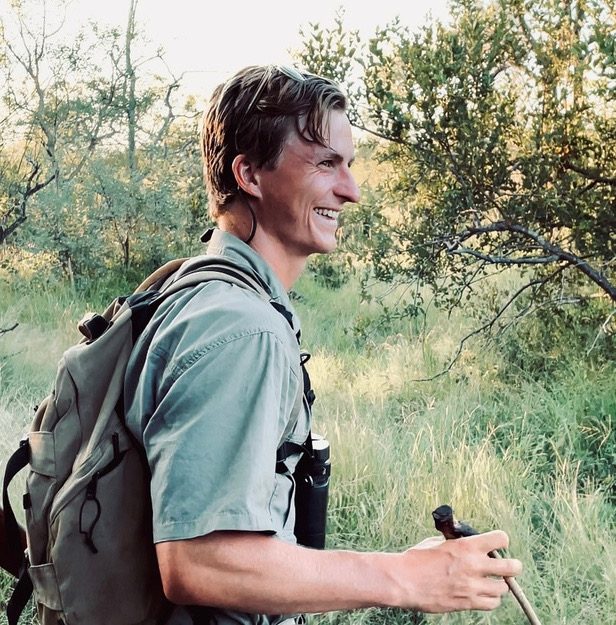
Willem van Liemt
Founder · FGASA Lead Trails Guide
At seventeen I travelled to Africa for the first time, on a professional field-guide course. Once in the bush I knew I'd spend my life working with nature. Countless hours on foot and hundreds of big-game encounters later, I'm a FGASA-qualified Lead Trails Guide — and The Long Way is what I left my desk to build. This is where I'm happiest: out at sea, or in the bush. On foot, of course.
FGASA Lead Trails Guide · Tracking & Trailing Level 3
Advanced Rifle Handling · Advanced Birding · MSc Conservation
Dutch · English
Walks · Every trail
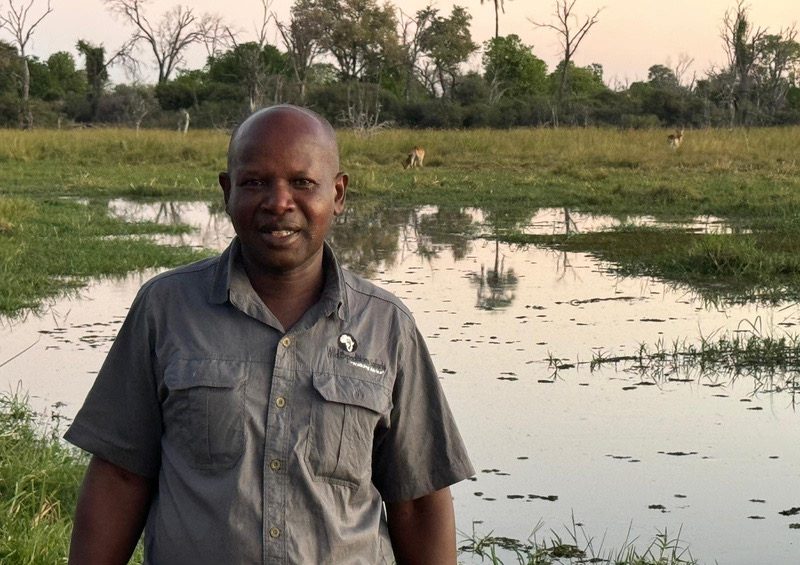
Okwa Sarefo
Professional guide · certified tracker
Born in a small village in the heart of the Okavango, Okwa learned to pole a mokoro by the age of eight. A professional guide since 1996, he brings over thirty years in Botswana's safari industry, holds the country's highest guiding qualification, and is a certified tracker. The Delta is not a place he knows — it's home.
Botswana's highest guiding qualification · Certified tracker
Setswana · English
Walks · Okavango
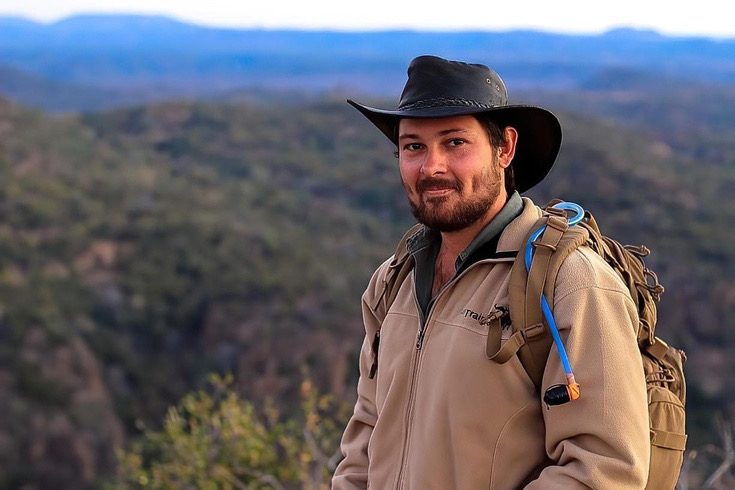
Vaughn du Plooy
Trails guide · EcoTraining Trails Instructor
Raised in the foothills of the Waterberg, Vaughn has guided across Madikwe, Timbavati, Marataba and the Makuleke, from luxury lodges to remote trails camps, and joined EcoTraining as their youngest Trails Instructor at the time. His guiding rests on a simple belief: time in wild places — especially on foot — reconnects us not only with nature, but with ourselves. Walking with elephants remains the most humbling experience he knows.
FGASA Level 2 · Lead Trails Guide · Tracking & Trailing Level 3
Advanced Rifle Handling · Advanced Birding
English · German
Walks · Makuleke · Marataba
The first trail
Makuleke leaves 15 August.
Seven nights between the Limpopo and the Luvuvhu, five of them on primitive trail — and the Okavango follows nine days later, at peak flood.
Our pledge
For every kilometre walked, The Long Way donates €1 to the African Parks Network — conservation of these wildernesses, built into every trail.
€1 per kilometre walked · African Parks Network